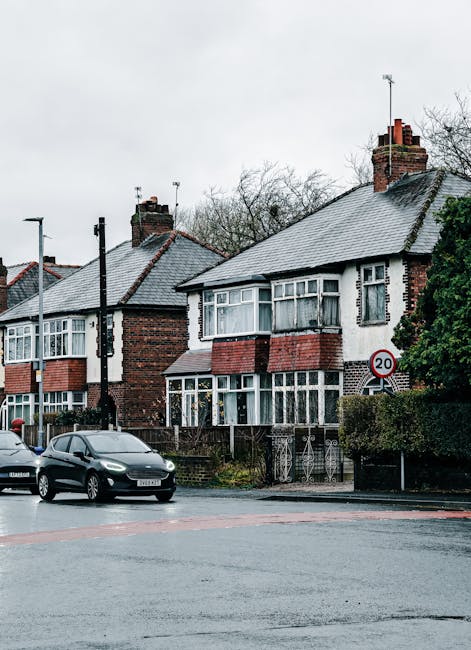
If you are trying to move house in Enfield Town and your road is narrow, parked-up, or awkwardly laid out, you already know the problem: the move itself is only half the job. The other half is getting a van, crew, boxes, furniture, neighbours, and maybe a very patient driver into a space that feels like it was designed for bicycles and bad parking. This Enfield Town house removals guide for tight streets is written for exactly that kind of move. It walks you through planning, access checks, packing, vehicle choice, timing, and the small decisions that make a cramped street feel manageable rather than chaotic.
There is a right way to do this. Not perfect, just right enough to save time, reduce stress, and protect your furniture, the property, and your nerves. And to be fair, that matters more than most people realise until moving day is already underway.
For readers who want a broader overview of house moving support, it can also help to look at house removals and home moves alongside the practical advice below.
Table of Contents
- Why this matters on tight Enfield Town streets
- How a tight-street house removal actually works
- Key benefits and practical advantages
- Who this is for and when it makes sense
- Step-by-step guidance
- Expert tips for better results
- Common mistakes to avoid
- Tools, resources and recommendations
- Law, compliance and best practice
- Options and method comparison
- Case study or real-world example
- Practical checklist
- Conclusion
- Frequently asked questions
Why Enfield Town house removals guide for tight streets Matters
Tight streets change everything. A removal that would be straightforward on a wide suburban road can turn fiddly fast when there are parked cars on both sides, narrow turning points, low branches, or no easy place to leave a van with the doors open. In Enfield Town, that is not unusual. Local roads can vary a lot, and the difference between a smooth move and a stressful one often comes down to access planning rather than lifting strength.
The main issue is not just space. It is flow. Can the van stop close enough to the front door? Can furniture be carried without constant twisting? Can the driver turn safely without blocking traffic or scraping a neighbour's bumper? Will the team need to shuttle items from a distant parking spot? These questions sound small, but they decide how long the job takes and how tiring it becomes.
In our experience, most moving-day problems in compact streets come from one of three things: underestimated vehicle size, poor parking planning, or furniture not being prepared for quick carry-out. None of those are dramatic on their own. Put them together and you have a long day with extra lifting, more walking, and a lot of muttered apologies.
That is why a clear plan matters before the truck arrives. It helps the removal team choose the right vehicle, shape the loading sequence, and keep everyone safer around doorways, kerbs, and other cars.
How Enfield Town house removals guide for tight streets Works
A good tight-street move is built around access, timing, and order. The idea is simple: reduce the amount of unnecessary movement. You want the van as close to the property as possible, the biggest items ready first, and the loading path as clear as you can make it.
The process usually starts with a realistic access assessment. That means looking at the width of the road, the position of parked vehicles, any restrictions on stopping, and the distance from the front door to the van. If there is a narrow bend, steep kerb, or awkward corner, that affects what vehicle is suitable. A smaller removal van or a flexible man with van style service can sometimes be more practical than sending a large truck to fight the street for space.
Next comes packing in a way that supports the route out of the house. Heavy boxes should be sized sensibly. Tall furniture should be measured in advance. Anything fragile should be clearly marked, but also packed so it can be handled quickly without fuss. If you are short on time, packing and boxes support can make a real difference, especially when you are trying to get organised in a house where the hallway barely fits one person and a coat.
On moving day itself, the team typically works in a sequence: protect floors and doorframes, clear the main route, move awkward items first if needed, then load in a planned order so the unpacking side is easier later. That sounds obvious, but it is exactly where amateur moves fall apart. People start with what is nearest, not what is smartest.
One more thing: the route outside the house matters as much as the staircase inside it. If the pavement is narrow or the kerb drop is awkward, a team may need to stagger loads, use extra hands, or change the loading point. That is normal. Not ideal, but normal.
Key Benefits and Practical Advantages
When a removal is planned properly for a tight street, you do not just save time. You reduce friction everywhere. The best results usually come from a few practical advantages:
- Shorter carry distances mean less strain, fewer dropped items, and fewer delays.
- Smarter vehicle choice helps avoid oversizing the move and struggling to park or turn.
- Cleaner loading order makes unloading easier at the new property.
- Less neighbour disruption matters on streets where every extra minute of blocking causes tension.
- Better protection for furniture because fewer awkward turns reduce bumps and scrapes.
- More realistic scheduling so you are not guessing how long a compact street will add to the day.
There is also a hidden benefit people sometimes miss: calm. When everyone knows the plan, the move feels less like a scramble and more like a controlled sequence. That calm is worth a lot, especially when you are standing on the pavement at 8:15 in the morning with a mattress, a kettle, and a house plant that seems deeply offended by the whole process.
If your move includes bulky household items, it may also be worth reviewing furniture removals and, where needed, furniture pick up so the bigger pieces are handled in a way that suits the street layout.
Who This Is For and When It Makes Sense
This guide is especially useful if you are moving from a terraced house, a small mews-style property, a converted building, or any home where access is tight and parking is not simple. It also makes sense if you are moving from a road with regular parking pressure, which in practice means quite a few parts of London. You do not have to be on a famously narrow lane for this advice to matter. Sometimes one badly parked car is enough to change the entire moving plan.
It is also relevant if:
- you have large furniture that will need careful carrying;
- the property has only one usable entrance;
- you expect a long walk from the nearest legal stopping point;
- you want to avoid blocking neighbours or businesses;
- you are moving with children, pets, or older family members in the house;
- you have a deadline and cannot afford a slow start.
If you live in a flat or a converted building on a tight street, you may find flat removals more directly relevant. If the move is time-sensitive, same day removals can be an option, though same-day work still needs planning if the street is awkward. Speed does not magically widen a road. Shame really.
Students, renters, and first-time buyers often underestimate how much access affects cost and timing. That is normal. Most people do not think about turning circles until the van is already there.
Step-by-Step Guidance
Here is the practical part. If you are wondering how to handle a house move on a tight Enfield Town street, this is the sequence that usually works best.
- Measure the access, not just the rooms. Check the width of the street, the kerb space, the doorway, hallway, and any stairs or turns. A sofa that fits indoors can still be awkward at the threshold.
- Confirm the parking plan early. Decide where the van will stop, how long it can stay there, and what the backup plan is if the space is taken.
- Sort the furniture by difficulty. Put the biggest, heaviest, and most awkward items into a clear priority order. That usually includes wardrobes, beds, sofas, and white goods.
- Prepare the boxes properly. Use strong, manageable boxes. Overfilled boxes are a classic mistake. They seem efficient until the bottom gives way. Not fun.
- Clear corridors and landings. Remove loose rugs, lamps, shoes, and the random pile of bags that tends to appear by the stairs just when you need a clear run.
- Protect the route. Use floor coverings and corner protection if needed, especially where doors open into narrow hallways.
- Load in the right order. Place essentials and items needed first at the destination where they can be reached quickly, then stack the rest in a sensible sequence.
- Keep one person on access duty. On a tight street, it helps to have someone watching for parking issues, incoming traffic, or neighbours who need the path cleared.
That last point sounds obvious, but it is one of the easiest ways to avoid a bottleneck. A single person managing the doorway and street access can save a surprising amount of time.
If you need help with the physical side of the move, you may want to explore house removalists or a more flexible man with a van arrangement depending on the size of the job.
Expert Tips for Better Results
A few small adjustments can make a tight-street move feel much easier. These are the sort of things that come from seeing the same problems over and over again.
- Book the earliest sensible slot. Streets are often quieter earlier in the day. Fewer parked cars, fewer passers-by, less general faff.
- Do not overpack the van. Even if the street allows a stop close to the door, cramming everything in can make unloading a mess.
- Pre-label rooms clearly. On a complex move, labels like "kitchen" or "upstairs spare room" are more helpful than vague notes.
- Separate essentials. Keep medication, chargers, documents, snacks, and kettle supplies apart from the main load.
- Use smaller boxes for books and heavy items. It sounds boring, but your back will thank you. So will the person carrying them.
- Plan for weather. Rain makes narrow pavements more slippery and more stressful. A bit of cover for mattresses and boxes is worth it.
- Confirm building access details. If you are moving from a property with shared entry, ask how the doors work, whether there is a buzzer, and whether the route is clear enough for a trolley.
One practical note: if your move involves storage between properties, a short-term buffer can make the street access problem much easier to manage because you are not trying to do everything at once. In those situations, storage can be a useful pressure release valve.
Truth be told, a lot of good moving advice is just common sense applied early enough.
Common Mistakes to Avoid
The mistakes that create the biggest headaches are rarely dramatic. They are usually the ordinary things people skip because they feel rushed.
- Choosing a vehicle that is too large. A bigger truck is not automatically better if the road cannot handle it.
- Ignoring parking reality. "We'll find somewhere" is not a plan on a tight residential street.
- Leaving boxes unlabelled. This slows unloading and makes the first night in the new home much harder than it needs to be.
- Forgetting about the return journey. You need space to leave, not just space to arrive.
- Not measuring big furniture. Always check wardrobes, beds, dining tables, and sofas before move day.
- Starting too late. By mid-morning, parking gets harder and road pressure usually increases.
- Leaving fragile items loose. Tight streets mean more stops and starts, which can shake badly packed items about.
Another common one? Assuming the shortest route in is the best route out. Sometimes the front door is fine, but the side path or garden gate is slower. Sometimes the reverse is true. Worth checking, definitely.
Tools, Resources and Recommendations
You do not need a warehouse of specialist kit, but a few useful tools make a tight-street move much smoother.
| Tool or Resource | Why it helps | Best use case |
|---|---|---|
| Measuring tape | Checks furniture, doorways, and hallway widths | Before confirming what will fit |
| Strong boxes | Reduce breakage and make stacking safer | Every home move |
| Furniture blankets | Protect edges and surfaces during carry and loading | Sofas, tables, wardrobes |
| Floor protection | Helps keep floors clean and reduces scuffs | Narrow internal routes |
| Trolley or sack truck | Makes heavier items easier to move over short distances | Longer carries from the van |
| Room labels | Speeds up unloading and keeps boxes organised | Busy or larger households |
| Short-term storage | Eases timing pressure when access or completion dates do not line up | Split moves or delayed handovers |
It is also wise to review a removal firm's policies before you book. Pages such as insurance and safety, health and safety policy, and recycling and sustainability help you understand how the company works and what standards it follows. That is not just admin. It tells you whether the business has thought about the practical side of a move, not just the sale.
If you are comparing providers, removal companies and removal services are good starting points for understanding the available support.
Law, Compliance, Standards, or Best Practice
For a house removal, there usually is not one single local rule that decides everything. Instead, good practice tends to be shaped by road safety, parking rules, property access, and general duty of care. In plain English: do not block access longer than necessary, do not lift in a way that risks injury, and do not damage the property or pavement while trying to save a few minutes.
On tight streets, best practice normally includes:
- checking stopping and parking arrangements in advance;
- keeping access clear for neighbours and emergency vehicles;
- using appropriate lifting technique and enough people for awkward items;
- protecting floors, walls, and doorframes where needed;
- communicating clearly if the van has to reposition;
- using insured handling for valuable or fragile items.
If the move includes heavier specialist items like a piano, the planning becomes even more important. A narrow street does not care that the piano is upright and beautiful; it only cares whether the corners fit. For that kind of job, piano removals should be handled by people who understand access, balance, and protection.
For business-related relocations, the same access logic applies but with more pressure on timings and building rules. In that case, commercial moves, office removals, and office relocation services may be more relevant than a standard house move setup.
Options, Methods, or Comparison Table
Choosing the right moving method for a tight Enfield Town street often comes down to size, flexibility, and how awkward the access really is. Here is a simple comparison.
| Method | Best for | Strengths | Trade-offs |
|---|---|---|---|
| Full house removal team | Larger homes or heavier loads | Efficient for many items, more structured loading | Can be harder to fit if the street is very tight |
| Man and van | Smaller to medium moves | Flexible, often easier on narrow streets | May require more trips for larger households |
| Removal van with support | Compact moves, student moves, quick relocations | Good access handling, practical for short distances | Limited capacity compared with a larger vehicle |
| Storage-assisted move | Split dates or space-limited homes | Reduces pressure on move day | Needs extra coordination and temporary handling |
The best choice is not always the biggest team. Sometimes a smaller vehicle with a well-organised crew is the smarter call. In a tight street, that can be the difference between one clean unloading sequence and three irritating shuttles up and down the road.
If you want a more flexible format, the man and van, man with a van, and man with van options are worth comparing carefully. They are not identical in practice, so ask how access, labour, and loading are handled.
Case Study or Real-World Example
Here is a realistic example. A family in a terraced Enfield Town street had a three-bedroom house, a narrow front path, and parking that was usually half gone by 7:30 in the morning. The property itself was not the issue. The access was. The hallway had one awkward turn, the staircase was snug, and the van could not sit directly outside for long without causing a blockage.
Instead of trying to force a large vehicle into the road, the move was planned with access in mind. Smaller boxes were used for books. The bed frames were dismantled the night before. Sofas and wardrobes were measured and wrapped. The loading team parked at the closest sensible point and carried in a planned order, starting with bulky items and finishing with the essentials that would be needed first at the new house.
The result was not glamorous. No one was celebrating like it was a documentary finale. But the move stayed controlled, the family avoided last-minute panic, and the day finished on time enough to get the kettle on before evening. That little win matters. Especially after hours of lifting, opening doors, and trying not to step on anyone's charging cable.
This is the kind of move that shows why local knowledge and planning matter. Tight streets do not reward improvisation for long.
Practical Checklist
Use this checklist a few days before moving, then again on the morning itself.
- Measure the front access, doorway, hall, stairs, and any awkward turns.
- Confirm where the van can legally and safely stop.
- Decide whether a smaller vehicle is the better fit.
- Break down large furniture where possible.
- Label boxes by room and priority.
- Pack a separate essentials bag.
- Protect fragile items and mark them clearly.
- Clear the route inside the house.
- Arrange help for heavy or awkward items.
- Keep phone numbers and key documents easy to reach.
- Check weather conditions and protect items if rain is likely.
- Leave enough time for loading, parking, and any short delays.
Expert summary: On a tight Enfield Town street, the move is won or lost before the first box leaves the house. Measure access, choose the right vehicle, pack sensibly, and keep the loading route simple. That is the whole game, really.
Conclusion
A move in Enfield Town does not have to become a parking battle or a day-long shuffle of boxes. With the right access planning, sensible packing, and a vehicle that suits the street rather than fights it, even a cramped road can be handled calmly. The key is to treat the outside of the house as part of the move, not just the inside. Once you do that, everything gets easier.
If you are comparing moving options, it can help to read more about house removalists, house removals, and pricing and quotes so you can match the service to the street, the property, and the timeline.
Get a free quote today and see how much you can save.
Sometimes the best move is the one that feels quietly uneventful. No drama, no crushed box corners, no frantic search for a parking space. Just a steady, well-managed day and the satisfying sound of the front door closing behind the last load.
Frequently Asked Questions
What makes a house move in Enfield Town harder on tight streets?
The main challenges are limited parking, narrow turning space, longer carry distances, and difficulty stopping close to the front door. Those small issues add up fast.
Should I choose a smaller van for a narrow street?
Often, yes. A smaller vehicle can be easier to park, unload, and manoeuvre safely. It is not always the cheapest-looking option, but it can be the most practical one.
How far in advance should I plan parking for moving day?
As early as possible. Parking pressure can change quickly on residential streets, so planning the stopping point before the day itself is a smart move.
Can a full house removal team still work on a tight street?
Absolutely, if the access plan is realistic. The team may need to use a different vehicle size, adjust the loading point, or work in a more careful sequence.
What should I measure before booking a removal?
Measure the width of the street, any access points, internal doorways, hallways, stairs, and the largest furniture items. The route matters as much as the rooms.
Is packing service useful for tight-street moves?
Yes, especially if time is short or you have a lot of awkward items. Well-packed boxes are easier to move quickly and safely over shorter access routes.
What if the van cannot park directly outside my house?
Then the team needs to plan for a longer carry. That may mean extra labour, a different vehicle choice, or a revised unloading point nearby.
Do I need storage if my move is delayed?
Not always, but storage can be very useful if completion dates do not line up or if the new property is not ready. It takes pressure off the move day itself.
Are man and van services suitable for Enfield Town streets?
They often are, especially for smaller or medium-sized moves. Their flexibility can be handy where larger trucks would struggle with access.
How do I avoid damaging furniture on a narrow staircase?
Measure first, dismantle what you can, use protective wrapping, and do not rush corners or landings. A slow, steady carry is much safer than trying to force it.
What is the biggest mistake people make on a tight-street move?
Assuming access will sort itself out. It rarely does. If the parking, route, and vehicle size are not planned properly, everything else becomes harder than it needs to be.
How do I know which removal service is right for me?
Match the service to your property size, the amount of furniture, and the street access. If in doubt, compare the options and ask how they handle narrow roads, parking, and loading time.